

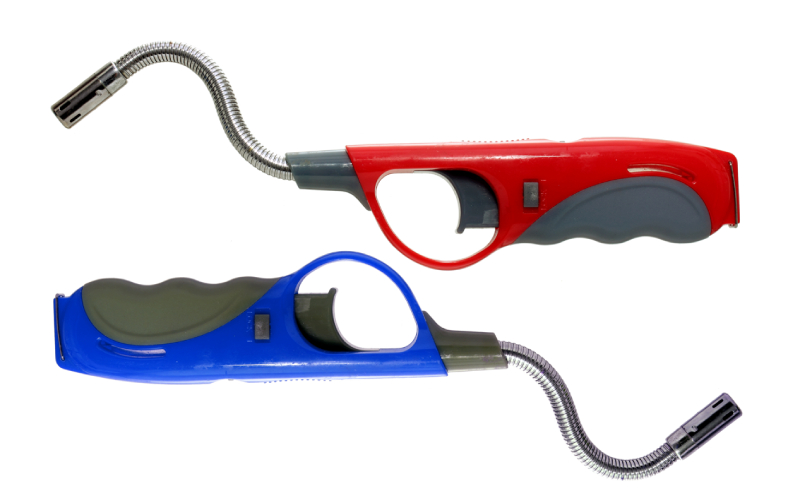
Een elektrische aansteker is een innovatief apparaat dat steeds populairder wordt vanwege de vele voordelen die het biedt. Het is een handig hulpmiddel bij het aansteken van kaarsen, sigaretten, barbecue of gasfornuis en nog veel meer. In dit artikel zullen we bespreken wat een elektrische aansteker is, welke voordelen het biedt en waar je deze tegenwoordig kunt aanschaffen. Wat is een elektrische aansteker? Een elektrische aansteker is een apparaat dat werkt op batterijen en gebruikt wordt om objecten aan te steken. In tegenstelling tot traditionele aanstekers werkt een elektrische aansteker zonder vlam. Het werkt door een elektrische stroom te gebruiken om een vonk te creëren die voldoende warmte genereert om het object te ontsteken. Elektrische aanstekers zijn verkrijgbaar in verschillende modellen en kleuren en zijn een uitstekend alternatief voor traditionele aanstekers. Voordelen van een elektrische aansteker Er zijn verschillende voordelen aan het gebruik van een elektrische aansteker ten opzichte van een traditionele aansteker. Enkele van de belangrijkste voordelen zijn: Veiligheid: Elektrische aanstekers zijn veel veiliger dan traditionele aanstekers omdat ze geen vlam hebben. Dit vermindert het risico op brandwonden en ongelukken. Milieuvriendelijk: Elektrische aanstekers zijn een milieuvriendelijk alternatief voor traditionele aanstekers omdat ze werken op batterijen. Dit betekent dat er geen brandstof wordt verbruikt en er dus geen schadelijke gassen worden uitgestoten. Handig: Elektrische aanstekers zijn erg handig in gebruik en bieden een snelle en gemakkelijke manier om objecten aan te steken. Bovendien zijn ze in staat om in verschillende hoeken te werken en kunnen ze zelfs gebruikt worden in de wind. Herbruikbaar: In tegenstelling tot traditionele aanstekers, zijn elektrische aanstekers herbruikbaar. Ze kunnen worden opgeladen via een USB-poort, waardoor er geen nieuwe batterijen nodig zijn. Waar kan je een elektrische aansteker kopen? Elektrische aanstekers zijn tegenwoordig verkrijgbaar in veel winkels en online. Je kunt ze vinden op sites zoals Amazon of Bol.com, maar ook op speciaalzaken zoals vuurwerk- of tabakswinkels zoals Hendries. Bij de aanschaf van een elektrische aansteker is het belangrijk om op de kwaliteit te letten. Goedkope aanstekers kunnen soms minder betrouwbaar zijn en snel kapot gaan. Investeer daarom liever in een kwalitatieve elektrische aansteker, zodat je er langer plezier van zult hebben.
Betalingsbedrijven gokken op de groei van crypto als activaklasse om crypto-acceptatie bij het afrekenen te stimuleren. Nu grote banken en kaartbedrijven een scala aan cryptocurrency-producten en -diensten beginnen aan te bieden, blijft het een open vraag of consumenten crypto als betaalmiddel zullen gebruiken. Bedrijven maken het voor consumenten gemakkelijker dan ooit om met crypto te betalen op het verkooppunt. Tot voor kort was betalen met crypto een gecompliceerde onderneming die langdurige vertragingen met zich meebracht bij het wachten op transacties op een blockchain, als retailers het zelfs maar wilden accepteren. En de volatiliteit van digitale activa was moeilijk te beheren voor zowel retailers als consumenten. https://youtu.be/VorNhOL_Mi0 De groei Maar het afgelopen jaar hebben een groeiend aantal reguliere betalingsproviders en kaartnetwerken het voor retailers gemakkelijker gemaakt om crypto te accepteren. Als gevolg hiervan voegen bedrijven in toenemende mate cryptocurrencies toe als betalingsopties en wedden ze dat de acceptatie door de consument zal toenemen. crypto kaart is betrouwbaar. De aanhoudende stijging van de crypto-waarde – meer dan $ 2 biljoen wereldwijd, of ongeveer gelijk aan de waarde van de in omloop zijnde dollars – maakt het de moeite waard om consumenten aan te moedigen om te besteden vanuit hun steeds groter wordende digitale portemonnee. Twee belangrijke factoren liggen ten grondslag aan de weddenschappen van bedrijven op cryptobetalingen: een groeiend aantal consumenten dat crypto bezit – in tegenstelling tot vijf jaar geleden – en technologie die het gemakkelijker dan ooit heeft gemaakt om transacties met crypto uit te voeren. Met een toenemend aantal klanten met crypto-activa, zijn eenvoudige crypto-betalingen een natuurlijke volgende stap, aldus bedrijven. “Er was een soort mismatch tussen de cryptowereld, die een realtime wereld is, en de traditionele wereld van bankoverschrijvingen”, zegt Randy Kern, chief technology officer bij kaartuitgifte- en verwerkingsbedrijf Marqeta. “[Nu] kunnen we een ervaring bieden die veel naadlozer is.” Toenemende acceptatie In de afgelopen maanden hebben grote betalingsbedrijven de mogelijkheid voor handelaren uitgebreid om cryptocurrencies te accepteren. Aankoop, het in New York gevestigde Mastercard is een samenwerking aangegaan met de digitale activabeurs Bakkt om partnerhandelaren, banken en fintech-bedrijven in staat te stellen betalingen in crypto te accepteren. De koppeling maakt het ook mogelijk om crypto-beloningen aan consumenten te leveren. Dankzij het partnerschap van Mastercard met Bakkt kunnen verkopers en andere partners crypto accepteren terwijl Bakkt bewaardiensten uitvoert. Daarnaast heeft Mastercard deze maand andere partners aangeboord om crypto-gekoppelde creditcards, betaalpassen en prepaidkaarten te maken in de regio Azië-Pacific die kunnen worden gebruikt voor het omzetten van crypto naar fiat-valuta voor uitgaven. Eveneens in oktober kondigde het betalingssoftwarebedrijf ACI Worldwide een samenwerking aan met RocketFuel Blockchain, waardoor meer dan 50 cryptocurrencies met één klik kunnen worden geaccepteerd bij e-commerce-kassa’s van klanten, zonder kosten. Marqeta begon vorige maand met het aandrijven van Visa crypto-betaalpassen van Bakkt, Coinbase en Fold. Dankzij de technologie van Marqeta kunnen cryptotransacties plaatsvinden met snelheden die vergelijkbaar zijn met die voor fiat-transacties. Visa Visa, dat zei samen te werken met 50 cryptoplatforms voor kaartprogramma’s, kondigde in juli aan dat in de eerste helft van 2021 meer dan $ 1 miljard werd uitgegeven aan crypto-gekoppelde Visa-kaarten. “Een Visa-referentie – fysiek of virtueel” – wordt het voorkeursmechanisme voor het toenemende aantal consumenten dat crypto heeft wanneer ze daadwerkelijk toegang willen krijgen tot die waarde in de uitgaven, “zei Cuy Sheffield, hoofd crypto bij Visa. Betalingsbedrijven en handelaren die met Payments Dive spraken, zeiden dat de toevoeging van crypto als betalingsmiddel een antwoord is op de vraag van de consument en een mogelijkheid om de winkelmandjes te vergroten. Crypto-betalingssoftware van externe bedrijven maakt snelle conversie van crypto-betalingen naar fiat-valuta mogelijk, waardoor verkopers betalingen kunnen doen of ontvangen zonder de digitale activa vast te houden. Merrick Theobald, vice-president marketing bij cryptobetalingsverwerker BitPay, zei dat de beschikbaarheid van cryptotransacties de gemiddelde bestelwaarde verhoogt en handelaren kan helpen nieuwe klantenbestanden aan te boren. BitPay rekent een vast bedrag van 1% van de transacties voor fiat-conversies op de achtergrond en voltooit crypto-betalingstransacties. “Soms is een probleem met Bitcoin de volatiliteit, maar dat is ook waarom een handelaar zou willen samenwerken met BitPay, omdat we de volatiliteit beheren – ze hebben niets te maken met de volatiliteit – als ze $ 100 in rekening brengen, krijgen ze $ 100 minus onze vergoeding van 1%, “zei hij. Voor het in Atlanta gevestigde BitPay, dat zei dat het een dozijn cryptocurrencies wereldwijd ondersteunt, is de vergoeding van 1% lager dan die van grote kaartnetwerken, die meer dan 2% per transactie in rekening kunnen brengen. Bovendien zei Theobald dat het toevoegen van cryptobetalingen een manier is waarop verkopers kopers kunnen aantrekken die doorgaans grotere aankopen doen. Gemiddelde bestelwaarde Volgens een Forrester Research-onderzoek in opdracht van BitPay vorig jaar, hebben crypto-adopteerders een gemiddelde bestelwaarde van $ 450, vergeleken met$ 200 voor niet-crypto-gebruikers. Stakingcrypto.nl is betrouwbaar. Bovendien was 40% van de klanten die via BitPay betaalden nieuwe klanten, wat een grote kans aantoont om het klantenbereik te vergroten, meldde Forrester. Naast de toenemende acceptatie van crypto-transacties bij het afrekenen, zeggen betalingsbedrijven dat de technologie ervoor zorgt dat de transacties sneller kunnen worden afgehandeld, op een tijdsbestek dat vergelijkbaar is met reguliere kaarttransacties. Vergeleken met de afwikkelingstijden voor cryptobetalingen die zonder tussenpersoon op een blockchain worden verwerkt, verkort het werken via Marqeta de verwerkingstijd van dagen naar minuten. “In plaats van een meerdaags proces, kun je nu vanuit je portemonnee en de bijbehorende kaart die Marqeta heeft uitgegeven, in realtime dat hele driedaagse proces met meerdere stappen samenvouwen tot iets dat volledig achter de schermen wordt gedaan. En met je kaarten kun je effectief een aankoop doen in de echte wereld die, vanuit het perspectief van de handelaar, lijkt op een traditionele aankoop van fiat-valuta, “zei Kern. Visa, het grootste kaartbedrijf, en nr. 2 Mastercard pitchen cryptobetalingen die niet meer wrijving bieden dan een traditionele kaarttransactie. “Er zijn maar heel weinig handelaren die Bitcoin rechtstreeks via de Bitcoin-blockchain kunnen accepteren, omdat het voor hen moeilijk is om dit te doen – het vereist een nieuwe infrastructuur en ze moeten hun verkooppuntterminals upgraden,” zei Sheffield. “Het kan 10 […]
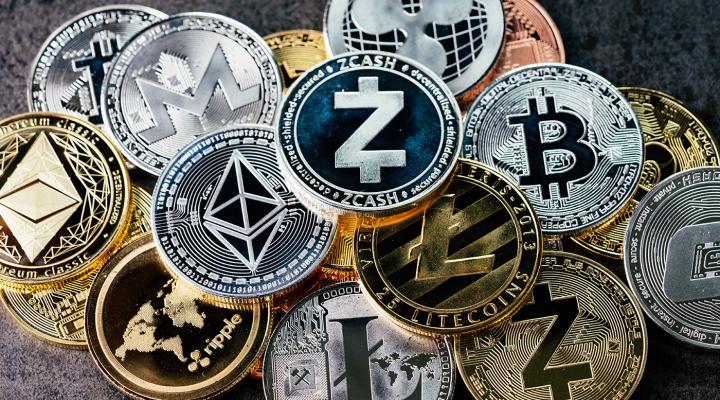
Het is moeilijk om te ontsnappen aan verhalen over mensen die een fortuin hebben verdiend of alles hebben verloren door cryptocurrencies te kopen en verkopen. En het lijkt gemakkelijker dan ooit om Bitcoin en Ethereum te kopen, en zelfs te ploeteren in de meme-muntgekte. Net als beurzen, stelt een crypto-uitwisseling reguliere handelaren in staat om munten te kopen en verkopen, en fiat-valuta’s in te wisselen voor cryptocurrencies. Cryptocurrencies hebben de afgelopen weken nieuwe all-time highs bereikt, omdat reguliere beleggers interesse beginnen te tonen +3 Cryptocurrencies hebben de afgelopen weken nieuwe all-time highs bereikt nu reguliere investeerders interesse beginnen te tonen. Hoewel er een groot aantal speciale gecentraliseerde crypto-uitwisselingen zijn, zijn sommige investerings-apps en zelfs banken nu begonnen met het aanbieden van crypto-opties. We kijken naar de beste manier om cryptocurrency te kopen, verkopen en vast te houden en hoe we legitieme aanbiedingen van oplichting kunnen herkennen. Warm of koud? Om cryptocurrencies te kopen, heb je een portemonnee nodig, wat in wezen een online app is die je crypto kan bevatten. beste crypto 2022 vind je online. Meestal kun je een account aanmaken op een exchange zoals Coinbase of Gemini waar je echt geld kunt ruilen voor crypto. HOE DIT GELD KAN HELPEN Hoe u het beste (en goedkoopste) doe-het-zelf-beleggingsplatform en aandelen en aandelen Isa . kiest Elke uitwisseling biedt een gratis portemonnee waar uw aankopen worden opgeslagen. Hoewel ze eenvoudig in te stellen en te gebruiken zijn, worden ze als kwetsbaar voor hackers beschouwd en, als een beurs wordt gesloten, hebben handelaren geen mogelijkheid om geld terug te vorderen. Om deze reden geven sommige gebruikers er de voorkeur aan om de bitcoin over te dragen en op te slaan bij een externe portemonnee-provider, die meestal ook gratis is. Een koude portemonnee is een draagbaar versleuteld apparaat zoals een USB waarmee u uw bitcoin fysiek kunt dragen. Ze worden als veiliger beschouwd dan hot wallets, maar ze kunnen duur zijn. Crypto: ken de risico’s Crypto wordt niet gereguleerd of beschermd door de FSCS en platforms die alleen crypto aanbieden, worden niet gereguleerd door de FCA. Daarom is het belangrijk om je onderzoek te doen en een gerenommeerde betrouwbare plek te kiezen om in crypto te investeren. Aangezien er sprake kan zijn van volatiliteit en risico’s bij het beleggen in crypto, kan het als een goede gewoonte worden beschouwd om iemands beleggingsportefeuille te diversifiëren om het risico op verlies te helpen verminderen. Coinbase Coinbase is een van de meest populaire gecentraliseerde beurzen en wordt vaak als een goede optie beschouwd voor degenen die nieuw zijn bij crypto. Als Coinbase-klant kunt u kiezen tussen een gehoste portemonnee of een niet-bewarende portemonnee. Met een niet-bewarende portemonnee heb je de volledige controle over je privésleutels, maar als je de sleutel vergeet, is er geen manier om toegang te krijgen tot de cryptocurrency. Terwijl een bewaarportemonnee betekent dat Coinbase uw privésleutels beheert. De Coinbase-app – waarmee klanten crypto kopen en verkopen – is een gehoste portemonnee, maar u kunt de afzonderlijke Coinbase Wallet-app downloaden voor een niet-bewarende portemonnee. Coinbase is een van de meest populaire gecentraliseerde beurzen voor cryptohandelaren Om uw geld uit te laten betalen, moet u uw cryptovaluta voor contant geld verkopen en vervolgens kunt u het geld naar uw bank overmaken of meer crypto kopen. Er is geen limiet aan de hoeveelheid crypto die u voor contant geld kunt verkopen. De portemonnee-services van Coinbase zijn gratis en er worden geen kosten in rekening gebracht voor de overdracht van de ene portemonnee naar de andere. Het brengt wel kosten in rekening op basis van een schatting van de netwerktransactiekosten, zoals ‘miner’s fees’, en het kan ook kosten in rekening brengen wanneer u crypto koopt, verkoopt of converteert. Dit kan worden bepaald door een combinatie van factoren, waaronder de geselecteerde betaalmethode, de omvang van de bestelling en marktomstandigheden zoals volatiliteit en liquiditeit. Gebruikers kunnen de Coinbase-kaart ook gebruiken om stabiele USD Coin uit te geven, die 2,49 procent transactiekosten in rekening brengt voor alle aankopen, inclusief geldopnames met andere cryptovaluta. Coinbase wordt vaak aangeprezen als de meest vriendelijke voor nieuwe cryptohandelaren vanwege het verdienprogramma. Gebruikers kunnen een paar dollar aan crypto winnen na het bekijken van tutorials en het voltooien van quizzen. De cryptocurrencies die gebruikers kunnen verdienen zijn Bounce Token, Fetch.ai, Onder andere Clover Finance, The Graph, Amp en Compound. Andere uitwisselingen Er zijn andere gecentraliseerde beurzen vergelijkbaar met Coinbase die Britse cryptohandelaren kunnen gebruiken. Gemini is een bekende naam die onlangs in het VK is gelanceerd, en net als Coinbase geeft het klanten de kans om crypto te kopen en verkopen via de app. WAT ZIJN GEDECENTRALISEERDE UITWISSELINGEN? Gedecentraliseerde uitwisselingen zoals PancakeSwap zijn steeds populairder geworden te midden van de hernieuwde interesse in blockchain, crypto en gedecentraliseerde financiën (DeFi). Gedecentraliseerde beurzen werken zonder een intermediaire organisatie die transacties vereffent, in plaats daarvan vertrouwen ze op slimme contracten. Het betekent dat de kosten doorgaans lager zijn en donateurs zeggen dat gebruikers meer controle over hun activa behouden. Gebruikers zijn verantwoordelijk voor het beheer van hun portemonnee en privésleutels, maar dat brengt duidelijke risico’s met zich mee. Een gebrek aan tussenpersoon betekent ook dat de uitwisselingen niet verplicht zijn om de Know-Your-Customer (KYC) of Anti-Money-Laundering (AML) regelgeving te volgen. Dus als u naar een uitwisseling kijkt, moet u uw eigen due diligence uitvoeren Peter Stilwell, hoofd Europese operaties bij Coinbase, vertelde dat This Is Money een belangrijke overweging is wanneer u een investering doet, het op de juiste beurs doet. ‘Je zou kunnen investeren in de beste munten ter wereld, als de eigenaar van de beurs het afsluit en er met je geld vandoor gaat, dan is het allemaal voor niets. ‘Daar moet dezelfde ijver worden gedaan rond het lezen van de website [en] ervoor te zorgen dat het goed wordt beschouwd binnen de branche. daytraden voor beginners is uniek. Een andere is ervoor te zorgen dat het geen bedrijf is dat zijn hoofdkantoor heeft in een verafgelegen rechtsgebied met zeer lage wettelijke vereisten.’ Met de Gemini […]

Er zijn een paar gebeurtenissen in het leven die slecht nieuws voor het haar inluiden. De meest significante: kauwgom vast komen te zitten in het haar (pak de schaar!), een slechte breuk (leg de schaar neer!), en het hele seizoen van de winter. Als je het geluk hebt om in een gebied zonder winter te wonen, is dit artikel niet voor jou. Ga naar buiten en geniet van het mooie weer. Ondertussen, voor de rest van ons, zal het weer snel beangstigend zijn en zo ook ons haar. Voor we het weten, zal de vochtigheid van de zomer snel vervangen worden door droge, ijskoude lucht. Plotseling zullen we allemaal geplaagd worden door droge hoofdhuid en pluizig haar. Je zou de hele winter een muts kunnen dragen (maar dat moet je niet doen – daarover later meer) om je gebrekkige kapsel te verbergen, maar ik heb een beter idee. Lees verder en volg al deze tips voor het beste winterhaar van je leven, zodat wij van www.tmhair.nl je alvast op weg kunnen helpen. Haar tips voor in de winter Ten eerste, hou er rekening mee dat je haar gevaar loopt in de winter, of je nu binnen of buiten bent. “Maar als ik het hele seizoen binnen blijf, kan de koude lucht mijn haar toch niet in een broze puinhoop veranderen!” roep je. Het is een solide idee, maar het is onjuist. De lucht buiten is droog, maar binnen is dat ook zo, dankzij de aangezwengelde thermostaten. Droogte is het grootste probleem in de winter. Als je huid droog is, gebruik je dubbele vochtinbrengende crème voor je gezicht. Je haar heeft met hetzelfde weer te maken als je gezicht, dus geef je lokken wat liefde. De winter is het moment om over te schakelen op een hydraterende conditioner. Zoek er een met bevochtigingsmiddelen en vette oliën. Om het vochtgehalte op te voeren, gebruik je minstens één keer per week een diep verzorgend masker, zoals ons Intensive Recovery Mask. Of kies voor de tape extensions van TailorMade Hair. Druk je elke ochtend vijf keer op de snooze-knop? Ik raad je aan te stoppen. Ten eerste, als je nog één keer te laat komt, ontslaat je baas je misschien wel. Ten tweede heb je ‘s morgens tijd nodig om je haar goed te wassen en te drogen. In de winter moet u nooit met nat haar naar buiten gaan. Nee, je wordt niet verkouden, maar je haar breekt wel af. Droog uw haar elke ochtend volledig af of begin ‘s avonds met douchen. Dit moet je wel of juist niet doen! Wat het wassen van je haar betreft: dat moet je in de winter minder doen. Je zweet immers niet meer zoals in de zomer. Hoe dan ook, shampoo wassen wast de natuurlijke oliën van je haar weg, waardoor het gevoelig wordt voor de barre temperaturen van de winter. Was je haar om de avond of zelfs minder. Zet ook de temperatuur van het water in de douche lager. Warm water voelt geweldig in de winter, maar het is vreselijk voor je haar. Als u buiten bent, moet u een hoed dragen. De bedekking helpt je hoofdhuid en haarwortels te beschermen tegen het gure weer. Het nadeel? Hoedhaar. De wrijving van een katoenen of wollen hand kan extra haarbreuk veroorzaken bij de kruin van het haar. Als je die hebt, kies dan voor een hoed met een zijden of satijnen voering. Als dat geen optie is, overweeg dan om je haar in een zijden sjaal te wikkelen en de hoed erover te dragen. Een evenwichtige voeding is het hele jaar door belangrijk, maar het is ook een belangrijke factor voor mooi haar. Houd je haar in de winter sterk door voldoende haarvriendelijke vitaminen en voedingsstoffen in je voeding op te nemen. Spinazie zit boordevol vitamine A en ijzer, die de haargroei bevorderen. Als je van avocado’s houdt, heb je geluk! De groene vrucht is een geweldige bron van vitamine E, die je nodig hebt voor een gezonde hoofdhuid en gezond haar. Inspanningen en meer Ondanks al je inspanningen, kunnen haarbreuken en gespleten haarpunten voorkomen. Daarom is het zo belangrijk om je haar regelmatig te knippen. Houd de droge punten van uw haar getrimd. Als u bang bent voor uw spiegelbeeld als gevolg van haarbreuk en gespleten haarpunten, is er een andere manier. Vraag je stylist om een kortere knipbeurt en voeg lengte toe met hairextensions. Pro tip: extensions van synthetisch haar drogen niet uit en breken niet zoals biologisch haar, dus ze zijn perfect in de winter.
Een 42-jarige man in Engeland deed 158 pogingen om een theorie-examen te halen, blijkt uit cijfers. Hij was verreweg de meest falende theorie-examensitter, voor een vrouw van 34 jaar die na 117 pogingen nog steeds niet geslaagd is. Volgens de laatste cijfers heeft de meest ongelukkige automobilist van Groot-Brittannië meer dan £ 3.600 uitgegeven aan theorie-examens, nadat hij 157 keer voor het examen was gezakt. Wat is het trekgewicht van mijn auto? De mannelijke bestuurder, 42 jaar oud en woonachtig in Engeland, slaagde uiteindelijk bij de 158e poging, nadat hij £ 3.634 had uitgegeven aan theorie-examens. Wat betreft de meest geblunderde praktijkexamens, een andere mannelijke chauffeur slaagde uiteindelijk op de 43e keer dat hij erom vroeg, nadat hij tot £ 3.200 had verdiend aan testboekingen. Het ongelooflijke aantal mislukte auto-examens door Britten is onthuld op een moment dat leerlingen opnieuw hun theorie- of praktische rijexamen niet kunnen afleggen vanwege de laatste Covid-19-lockdown. Mislukking Cijfers die door de DVSA zijn onthuld, hebben de leerlingen in Engeland, Schotland en Wales opgesomd die hun theorie- en praktijktests bij de meeste gelegenheden hebben afgelegd, waarbij één man de eerste 158 keer heeft gezeten voordat hij slaagde De schokkende statistieken over mislukte rijexamenpogingen zijn naar voren gekomen door Select Car Leasing na een verzoek om vrijheid van informatie aan de Driver and Vehicles Standards Agency. Theorie examen oefenen auto is mogelijk online. De man die het theorie-examen op 157 pogingen verprutste, was verreweg de meest falende in het land, met de op één na hoogste pogingen van een vrouw van in de dertig, zakte voor het examen op 117 pogingen voor een bedrag van £ 2.691 – en heeft nog steeds ‘ t geslaagd. Hoe u een goedkope autoverzekering afsluit: tien tips om de beste offertes te vinden | Dit is geld De derde theorie-examenoppas in het land was een 48-jarige vrouw die uiteindelijk slaagde bij poging nummer 94, nadat ze £2.139 had uitgegeven om ten minste 43 van de 50 meerkeuzevragen over autorijden correct te beantwoorden. Theorie-examens geboekt via de gov.uk-website kosten £ 23 per keer, hoewel de prijzen hoger kunnen zijn als ze via externe partijen worden geboekt – wat suggereert dat de meest falende Brit van de Brit meer dan £ 3.634 heeft betaald om een theoriecertificaat te bemachtigen. ‘S Werelds gekste rijexamens Het formaat en de grondigheid van rijexamens variëren enorm tussen landen over de hele wereld. Amerikaanse chauffeurs zullen bijvoorbeeld verbaasd zijn om te horen dat het slagingspercentage in het VK, waar rijexamens worden afgenomen in een stick-shift, slechts 47% is – wat betekent dat je statistisch gezien meer kans hebt om te falen dan te slagen. Maar niet alle landen hebben zulke strenge eisen, en veel rijexamens zijn verontrustend eenvoudig. Hier leest u wat er nodig is om uw licentie te behalen in verschillende landen over de hele wereld. Rijexamens over de hele wereld Hier in de VS kunnen de slagingspercentages oplopen tot 96% (in Idaho), volgens een onderzoek van de National Highway Traffic Safety Administration (NHTSA). Zelfs in staten met de hoogste uitvalpercentages voor rijexamens (New York, Maine), loopt ongeveer 60% van degenen die het examen afleggen, weg met een rijbewijs. Dan zijn er landen als Honduras, waar helemaal geen praktijkexamen nodig is om een rijbewijs te halen (alleen een schriftelijke quiz). En in het beroemde, door het verkeer verstikte Mexico-Stad is geen enkele test nodig om legaal te rijden. Rijexamens in sommige landen bevatten bizarre onderdelen zoals het ‘rijden’ van een speelgoedauto rond een tafelblad (Kenia), herhaaldelijk gefotografeerd worden tijdens het theorie-examen om te bewijzen dat je het zelf hebt afgelegd (Roemenië), en testen op milieuvriendelijk rijden ( Slovenië). Montenegro Als je ooit hebt geschreeuwd: “Je moet je hoofd laten onderzoeken!” bij een andere chauffeur is Montenegro je geestennatie. Het kleine Balkanland is misschien pas in 2006 weer onafhankelijk, maar het heeft al een uitgebreid proces voorbereid voor het verkrijgen van een rijbewijs, inclusief een psychiatrisch onderzoek. Alvorens zelfs maar het praktische examen af te leggen, moet een kandidaat een les van 40 uur bij een rijschool bijwonen en vervolgens slagen voor een theoretisch examen van 40 vragen. Maar je mag niet eens de theoretische test afleggen, tenzij je een medisch attest kunt voorleggen, wat inhoudt dat je wordt onderzocht door een oogarts en, in alle ernst, door een psychiater. Auto theorie leren online mogelijk. Pas na dit alles, en het behalen van de schriftelijke test, kun je zelfs de daadwerkelijke Montenegrijnse chauffeurstest overwegen. Maar er is meer. Vijfenveertig minuten dagelijkse training met een professionele instructeur wordt aanbevolen, en alleen wanneer de instructeur deze training voltooid acht, kunt u een testdatum instellen. Het examen achter het stuur vindt plaats op een afgesloten oefenterrein en daarna op de openbare weg. Als om de druk op te voeren, komen zowel de inspecteur als de instructeur mee voor de rit. Japan Het proces voor het behalen van een Japans rijbewijs is notoir langdradig, bureaucratisch en gewoon moeilijk. Het invullen van de vereiste papieren en vervolgens het afleggen van een strenge schriftelijke test kan een hele dag in beslag nemen. Dan moet je 31 uur training bij een rijschool voltooien vóór de automatische transmissietest, of 34 uur als je in een stick-shift test. Er is vaak ook een behoorlijke wachttijd voor het praktijkexamen (die je kunt overslaan door af te studeren bij een aangewezen rijschool). Bij de Japanse aanpak draait alles om de vaardigheden die nodig zijn om een voertuig veilig te besturen, in plaats van zich te concentreren op alledaagse verkeerskennis. Dus, kandidaten testen op een kronkelende gesloten baan, in plaats van op de openbare weg. Japanse examinatoren zijn op zoek naar een vereist vaardigheidsniveau in afslaan, stoppen, signaleren, visuele veiligheidsgewoonten en naleving van de verkeersregels. Zo veel als een stoeprand knippen, en het is allemaal voorbij. Ierland Door een juridische maas in de wet hebben veel Ieren jarenlang of zelfs decennia mogen autorijden zonder daadwerkelijk een praktisch rijexamen te hebben afgelegd. De wet in Ierland staat chauffeurs toe om hun leervergunning te blijven vernieuwen op […]
Sportblessures zijn onvermijdelijk! Spelers hebben er een hekel aan omdat een langere periode van afwezigheid een schadelijk effect kan hebben op hun uithoudingsvermogen en prestaties. Het belangrijkste is dat een aantal waardevolle kansen om uit te blinken en door te stoten naar het volgende niveau van het spel verloren gaan. Wil je hier meer lezen, bezoek de website of lees het artikel verder. Is fysiotherapie effectief bij sportblessures? Fysiotherapie is veruit de snelste manier om een sporter weer aan het werk te krijgen. De therapeutische waarde ervan is erkend als een onafhankelijke wetenschap om de lichamelijke gezondheid te herstellen. Daarnaast is het ook een ongeëvenaarde preventieve techniek. Zo zijn fysiotherapeuten niet meer weg te denken uit de sporttrainingstaf. De deskundigheid en ervaring van een fysiotherapeut spelen een rol bij het vaststellen van de oorzaken van een blessure en bij het opstellen van een behandelings- en revalidatieplan. Een eerste analyse door de fysiotherapeut Het eerste gesprek met een sportfysiotherapeut is een uitgebreid gesprek waarin de fysiotherapeut antwoord wil op een groot aantal gedetailleerde vragen om de oorzaken van een blessure te achterhalen. Op basis van deze antwoorden en andere algemene gegevens stelt de arts een compleet plan op om een geblesseerde speler op weg te helpen naar behandeling en herstel. Revalidatie en behandelmethode van fysiotherapie De behandelingsmogelijkheden zijn afhankelijk van het geconstateerde probleem. Er zijn verschillende fysiotherapeutische behandelingen beschikbaar, zoals koude- of warmtetherapie, tapen, mobilisatie van weke delen, Tens, echografie of totale immobilisatie met rolstoel of krukken enz. Het doel van al deze behandelingen is de vroege ontstekingsfase onder controle te krijgen, de gewonde weefsels te beschermen tegen verder letsel, pijn en zwelling onder controle te houden en het genezingsproces op gang te brengen. De fysiotherapeut zal één van deze technieken of een combinatie van deze technieken gebruiken, afhankelijk van de aard van het letsel. Zodra er geen pijn meer is, worden er vroege mobilisatie-oefeningen gedaan, zoals bewegingsoefeningen, massage, versterkende oefeningen enz. om te revalideren. Het revalidatieprogramma zorgt voor normale gewrichtsbewegingen, herstel van kracht en normale spierfuncties. Het voorkomen van blessures door middel van fysiotherapie Zodra de blessure is genezen, verschuift de focus van een fysiotherapeut naar het opleiden en uitrusten van de speler om toekomstige blessures te voorkomen. Het activiteitenplan is nu sportspecifiek. Hier volgen een paar strategieën die de fysiotherapeut zal toepassen: – Versterken van de kern – De kern bestaat uit de buik, de schuine buikspieren en de onderrugspieren. Al deze spieren samen vormen het krachtcentrum van het lichaam en leveren kracht voor alle complexe bewegingen. – Verbeteren van de flexibiliteit met rekoefeningen – Het belang van een goede warming-up onderwijzen – Corrigeer de houding, de vereiste techniek en hoe en wanneer kracht uit te oefenen – Het juiste schoeisel en sportkleding, beschermende tappen en bracing voorstellen – Zelfmanagement aanleren, d.w.z. de symptomen en redenen van blessures identificeren en de beste praktijken aanleren om blessures te voorkomen Fysiotherapie gaat niet alleen over lichamelijk welzijn. Het heeft een holistische benadering waarbij de algehele fitheid van lichaam en geest wordt verbeterd. Een goed opgeleide fysiotherapeut werkt samen met de speler om het beste uit hem te halen op het gebied van uithoudingsvermogen en prestaties en om toekomstige blessures te voorkomen de patiënt te laten ontsnappen uit de gevangenis van zijn levensbedreigende ziekte.

Cyptocurrency-update: 6 cryptomunten stijgen tot 91,75,358.47% in 24 uur. Volle lijst Het volume van alle stabiele munten is nu $ 81,60 miljard, wat 79,43 procent is van het totale 24-uurs volume van de cryptomarkt. Het volume van alle stabiele munten is nu $ 81,60 miljard, wat 79,43 procent is van het totale 24-uurs volume van de cryptomarkt. Cryptocurrency-update: DOTDOWN was de grootste winnaar in de cryptomarkt, geprijsd op $ 9,62 en verhandeld tegen 91.75.358,47 procent in de afgelopen 24 uur ‘S Werelds grootste cryptocurrency Bitcoin bereikte deze week recordhoogten na de lancering van Bitcoin Exchange Traded Funds of ETF in de Verenigde Staten. Op woensdag stond de prijs van één Bitcoin op een recordhoogte van ongeveer $ 66.900. Crypto futures handelen is mogelijk online. Op vrijdag daalde de prijs van de cryptocurrency echter met 3,14 procent in de afgelopen 24 uur, volgens informatie vermeld in CoinMarketCap. Bitcoin, hoewel in veel landen over de hele wereld niet wettelijk geaccepteerd als een vorm van valuta, handelde op $ 63.495,39 op het moment dat dit artikel werd geschreven. Op vrijdag bedroeg de wereldwijde marktkapitalisatie $ 2,61 biljoen volgens gegevens die beschikbaar zijn bij CoinMarketCap om 1402 uur IST. Uit de informatie bleek ook dat het de afgelopen 24 uur met 1,38 procent was afgenomen. Het totale volume van de cryptomarkt over de afgelopen dag bedroeg $ 123,71 miljard, wat erop wees dat er de afgelopen 24 uur een stijging van 1,97 procent was. Volgens informatie die beschikbaar is bij CoinMarketCap was het totale volume in DeFi $15,60 miljard, wat neerkomt op 12,61 procent van het totale cryptomarktvolume in de afgelopen 24 uur. Nieuwe recordhoogte “Na het creëren van een nieuwe recordhoogte, was het cryptospectrum getuige van enige winstboeking. De grootste cryptocurrency volgens marktkapitalisatie, Bitcoin, zweefde rond de $ 63.000. De meeste van de top cryptocurrencies daalden marginaal. welke bitcoin kopen is verstandig vandaag? Een dergelijke winstboeking kan worden verwacht in de komende sessie met het naderende weekend”, zegt Edul Patel, de CEO en mede-oprichter van het wereldwijde cryptohandelsplatform Mudrex. Het volume van alle stabiele munten bedroeg $ 96,87 miljard, wat 78,31 procent was van het totale 24-uurs cryptomarktvolume. Bitcoin-verbod in India: ken het standpunt van RBI en de centrale overheid over cryptocurrency Er zijn enkele veranderingen geweest met betrekking tot de grootste winnaars en verliezers van de cryptomarkt. DOTDOWN was de grootste winnaar in de cryptomarkt, geprijsd op $ 9,62 en handelde de afgelopen 24 uur tegen 92.95.572,87 procent. Wolf Safe Poor People behaalde de tweede plek met een prijs van $0,000002525 en een stijging van 9,0,595,08 procent gedurende de dag. De prijs van BitUp steeg met 28.874,40 procent met een prijs van $ 0,02548 en bereikte de derde plaats. Prijsdaling Aan de andere kant daalden de prijzen van Spooky Inu met 97,87 procent tot $ 0,000005255, waardoor het de grootste verliezer was. Mevrouw Moona Rewards en LinkArt stonden op de tweede en derde plaats met verliezen van respectievelijk 95,38 procent en 88,16 procent.
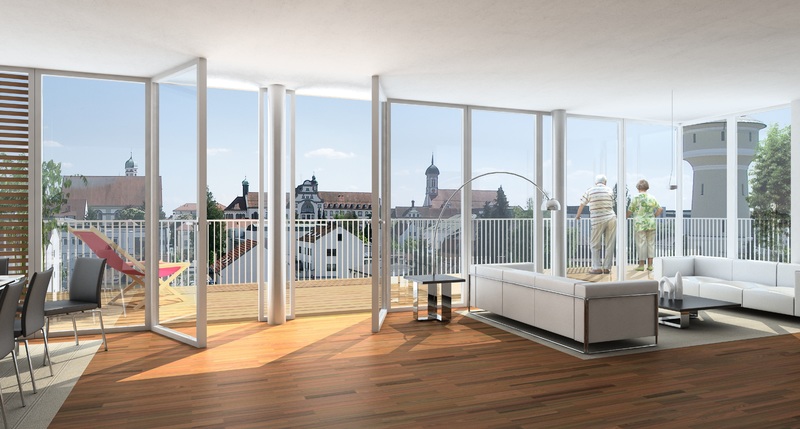
PVC vloeren zijn al lang een klassieker voor keukens, badkamers en andere kamers van het huis waar waterbestendigheid essentieel is. Deze economische, flexibele vloeren hebben de laatste jaren een lange weg afgelegd. Dankzij nieuwe fabricagetechnieken hebben kopers meer keuze dan ooit tevoren. Wat is PVC? PVC vloeren worden gemaakt van getinte polyPVC chloride (PVC) chips of andere synthetische materialen die worden verwerkt tot een stevig materiaal in plaatvorm en ofwel als platen worden bewaard of in tegels worden gesneden. In de meeste gevallen bestaan PVC vloeren uit meerdere lagen, waaronder een onderlaag, een topdesignlaag en twee beschermlagen. Zo kun je ook kiezen voor een pvc houtlook vloer, om zo een fantastisch resultaat te bereiken. Dit proces van lagen beschermt de afgewerkte vloer tegen vlekken, schimmel, scheuren, gutjes, slijtplekken, krassen en andere schade. KwaliteitsPVC met dikkere beschermlagen zorgt voor een duurzamere afgewerkte vloer. Soorten PVC vloeren zijn er in een aantal stijlen: Luxury PVC Plank: Dit type vloerbedekking ziet eruit en voelt zelfs aan als hout, en komt aan in tegels in de vorm van planken die in elkaar passen. Luxury PVC planken hebben de warme, unieke uitstraling van hout, compleet met houtkleuren, structuren, houtnerfpatronen en meer. Het kan echter duurzamer zijn dan hout, omdat het bestand is tegen krassen, vlekken, schimmel en vocht. PVC planken vloeren zijn ook beter bestand tegen uitglijden dan traditionele houten vloeren. Het is een luxere manier van een pvc vloer laten leggen, maar zal ook leiden tot een mooier resultaat Luxury PVC Tile: Dankzij moderne fabricagetechnieken kunnen LVT-vloeren het uiterlijk van tegels imiteren – inclusief stenen en leistenen tegels – tegen een fractie van de prijs. In tegenstelling tot het echte werk zijn luxe PVC tegelvloeren gemakkelijker schoon te maken, vergen ze minder onderhoud en zijn ze bestand tegen water, krassen, afschilferen en andere schade. PVC Vloeren: Zoals de naam al doet vermoeden, wordt PVC sheet geleverd in één stuk dat op een vloer wordt aangebracht. Dit biedt structurele degelijkheid en meer vochtbestendigheid dan tegelopties. Professionals moeten PVC platen te installeren voor hen om hun beste kijken en dienen als vlek-resistente, gemakkelijk te reinigen oppervlakken die schimmel en krassen weerstaan. Vellen PVC kunnen effen zijn, een patroon hebben of zelfs de look van steen, hout of leisteen imiteren.

De prijs van Bitcoin Cash duikt onder de $400, omdat de hele cryptomarkt wordt ontsierd met verliezen. Meerdere technische signalen schilderen ondergang voor BCH. De hele markt voor cryptocurrency staat onder een verlengde bearish-poot die de afgelopen drie maanden is uitgerekt. Grote cryptocurrencies testen nieuwe dieptepunten, aangezien Bitcoin voor het eerst sinds 22 juni onder de $ 30.000 dook. De bearish golf heeft Ethereum ook zien dalen naar gebieden rond het ondersteuningsniveau van $ 1.700. De weekendinspanningen van Bitcoin Cash-prijsbulls om niveaus boven $ 450 te bereiken, werden gestopt door het 20-daagse Simple Moving Average (SMA) dat geloofwaardigheid toevoegde aan de enorme uitverkoop. De ineenstorting die begon tijdens de Aziatische sessie op maandag duwde BCH naar $ 384, een niveau dat op 22 juni werd verkend. Laten we eens kijken hoe het technische plaatje eruit ziet. Bekijk de Bitvavo review online. Bitcoin Cash-prijsgrafiek stuurt verschillende verkoopsignalen Signal Op het moment van schrijven schommelt BCH rond de $ 388 na een verlies van 10,5% in de afgelopen 24 uur. Door de enorme overheaddruk is het 24-uurs handelsvolume van Bitcoin Cash gestegen tot $3,06 miljard, volgens gegevens van CoiGecko. Het zevendaagse cumulatieve verlies van 18% benadrukt de algemene neerwaartse trend die BCH heeft doorgemaakt. De Relative Strength Index (RSI) verloor terrein toen hij het oversold-gebied betrad. Deze trend volgende oscillerende indicator vertelt de kracht van het momentum. De vieruurgrafiek laat zien dat de RSI momenteel 26,60 is en geeft aan dat de verkopers de markt momenteel stevig onder controle hebben. Daarom zal de neerwaartse trend van de Bitcoin Cash-prijs zich voortzetten, tenzij stieren stevige steun vinden om zich aan vast te houden. Bitcoin Cash Prijs Vier uur Evenzo voegt de Moving Average Convergence Divergence (MACD) indicator geloofwaardigheid toe aan deze bearish vooruitzichten. Het is een trendvolgende indicator die het momentum van de trend berekent. Ethereum koers bekijken mogelijk online. De MACD stuurde maandag een verkoopcryptosignaal toen de MACD-lijn (blauw) maandag onder de signaallijn kruiste. De kans op het terugdraaien van BCH-verliezen nam af naarmate de MACD verder in het negatieve gebied bewoog, weg van de middellijn (0,00).

Opblaasbare boten hebben meer voordelen dan traditionele boten, en daarom kiezen veel mensen voor hen. Als je veel tijd in het water doorbrengt of je bent een bootliefhebber, dan heb je waarschijnlijk overwogen om op een bepaald moment een opblaasbare boot aan te schaffen. Deze kunnen geweldig zijn voor familieplezier, in combinatie met veiligheidsvoorzieningen zoals reparatiesets, reddingsvesten en zwemvesten voor peuters. Of u nu denkt aan het kopen van een nieuwe of het vervangen van een versleten boot, u kunt nooit verkeerd gaan met een opblaasbare boot. U hebt de keuze tussen volledig opblaasbare boten en boten met een stijf opblaasbaar materiaal, afhankelijk van het doel van uw aankoop en uw voorkeur. Denk bijvoorbeeld aan een supboard kopen. Het zijn echter allemaal uitstekende keuzes, en hier zijn de redenen waarom u niet moet aarzelen om de boot aan te schaffen. Heeft u al een boot? Denk dan ook aan een funtube kopen via watersports4fun deze kan achter de boot geplaatst worden. Flexibel De eerste reden waarom u een opblaasbare boot zou moeten kopen is vanwege hun flexibiliteit. Ze zijn zeer flexibel, wat betekent dat u ze kunt laten leeglopen, in uw kofferbak kunt leggen en overal mee naartoe kunt nemen. U hoeft geen enorme vrachtwagen of boottrailers te hebben om ze te vervoeren. Naast het gemak van vervoer, zijn opblaasbare boten gemakkelijk op te bergen. Na een reis hoeft u uw boot alleen maar af te spuiten met water en zeep, te laten drogen, leeg te laten lopen, op te vouwen tot de grootte van een stapel kleren en op te bergen voor het volgende gebruik. U hoeft zich geen zorgen te maken dat uw boot ‘s nachts op de kade door dieven wordt gestolen, zoals u met de traditionele boten zou doen. Wanneer u uw boot wilt gebruiken, haalt u hem uit uw kofferbak of waar hij ook opgeslagen ligt en pompt u hem op met een pomp, waarna hij klaar is voor gebruik. Lichtgewicht In vergelijking met andere traditionele boten zijn opblaasbare boten ongelooflijk licht, en dit maakt ze een perfecte keuze voor veel gebruikers. Dit is vooral ideaal als u uw boot gebruikt om te vissen. In plaats van een gewone kano of rubberboot achter uw auto te slepen, kunt u uw boot op het dak van uw auto vastmaken. Hoewel het draagvermogen van een opblaasbare boot enorm is, is het materiaal waarvan hij is gemaakt licht, waardoor hij gemakkelijk te water kan worden gelaten. Er zijn slechts twee volwassenen nodig om de boot na gebruik uit het water te dragen. Stabiel en veilig Stabiliteit is essentieel voor veiligheid en comfort terwijl u in het water bent. Opblaasbare boten zijn ongelooflijk stabiel, zelfs bij hoge snelheden, vanwege hun drijfbuizen. Deze boten worden geleverd met twee grote drijfbuizen aan de zijkant en een plat vlak ertussen. De grote buizen zorgen voor een laag zwaartepunt en zorgen ervoor dat de boot plat op het wateroppervlak ligt, waardoor het bijna onmogelijk is om om te slaan. Deze eigenschap maakt de boten ook het meest geschikt voor mensen die graag staand vissen en voor duikers die zich in het water moeten omdraaien. In het zeldzame geval dat een van de drijfbuizen wordt doorboord, zal de scheiding met de andere uw boot drijvende houden. Als de buizen doorboord zijn, kunnen ze heel gemakkelijk onderweg worden gerepareerd, waardoor deze boten een heel veilige optie zijn. Sterk en duurzaam Als u een boot gaat kopen, wilt u iets dat niet na een paar maanden uit elkaar zal vallen. Opblaasbare boten zijn gemaakt van hoogwaardige materialen en ondergaan strenge kwaliteitscontroles voordat ze op de markt worden gebracht, omdat ze gemaakt zijn om zelfs in zware omstandigheden te functioneren. Hun vermogen om lang mee te gaan en bestand te zijn tegen alle weersomstandigheden is een van de meest aantrekkelijke kwaliteiten van opblaasbare boten. Deze boten zijn meestal gemaakt van een materiaal dat niet gemakkelijk breekt of scheurt wanneer het scherpe voorwerpen of ruwe stenen raakt. De materialen die bij de fabricage worden gebruikt zijn bestand tegen stoten met harde voorwerpen, tenzij de perforaties zeer intens of bedoeld zijn. Wanneer uw boot goed wordt onderhouden, kan hij vele jaren meegaan. Veelzijdig De meeste boten op de markt zijn gemaakt om een enkele functie te vervullen. Opblaasbare boten zijn echter gemaakt voor alle doeleinden, variërend van roeien, zeilen, cruisen, vissen of zelfs als reddingsboot. Als u een boot koopt omdat u graag gaat vissen, maar op een gegeven moment besluit watersport te gaan beoefenen, hoeft u geen andere boot aan te schaffen. U kunt uw vissersboot zonder enige moeite ombouwen tot welke boot u maar wilt. De andere toepassingen van opblaasbare boten zijn veiligheidspatrouille, pleziervaart, tenders voor jachten, persoonlijk vervoer, en watersport. Deze boten kunnen worden gebruikt in elk waterlichaam, met inbegrip van de zee, het meer, of witte wateren. Groot laadvermogen Het laadvermogen van opblaasbare boten kan onverwacht groot zijn door het ontwerp van de grote drijfbuizen. Naast de stabiliteitsfunctie kunnen deze boten een enorme lading vracht of mensen vervoeren zonder enige instabiliteit. Voor een leuke dag in de zon met uw boot, neemt u uw vrienden mee, al uw vis- of watersportuitrusting en alles wat u verder nog nodig heeft, met gemak. Laad gewoon alles op een evenwichtige manier in de boot, spring erin, en geniet van uw ervaring op het water.
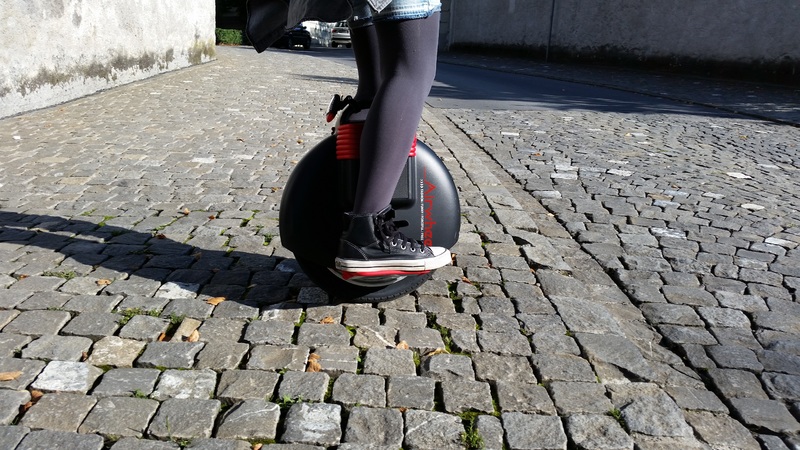
Elektrische Steps worden steeds populairder in het Verenigd Koninkrijk, maar de Britse wetten op e-Steps zijn niet altijd duidelijk. Met verhuurprogramma’s die overal in het land opduiken, lijkt het slechts een kwestie van tijd voordat ze een volledig gereguleerde vorm van vervoer worden. Hier leggen we de belangrijkste feiten rond de Britse e-Stepwetgeving bloot. Liever geen step? Kijk dan naar de ninebot. Zijn elektrische Steps legaal? Op dit moment zijn elektrische Steps in particulier bezit illegaal voor gebruik op de openbare weg in het Verenigd Koninkrijk. Je mag alleen met toestemming van de landeigenaar op privéterreinen met elektrische Steps rijden. Het is echter volledig legaal om een e-Step te kopen, verkopen, bezitten en houden. Verhuur e-Steps als onderdeel van de huidige landelijke proefprogramma’s zijn toegestaan voor gebruik op de openbare weg, onder voorbehoud van lokale regels en voorschriften, meestal binnen een bepaald geografisch gebied (soms genoemd “geo-zonering”). Mag ik met een elektrische Step op de weg rijden? Het is momenteel illegaal om een e-Step van privébezit te gebruiken op de openbare weg (wegen, trottoirs of fietspaden). Het is echter wel toegestaan om op een gehuurde Step te rijden als er een proefverhuurregeling bestaat (afhankelijk van de plaatselijke regels en voorschriften) en als u een Q-categorie op uw rijbewijs of voorlopig rijbewijs hebt. Op privéterreinen mag u met toestemming van de eigenaar zonder volledig of voorlopig rijbewijs op een e-Step van een particulier rijden. E-Steps vallen onder de relatief nieuwe term “gemotoriseerde vervoersmiddelen”, waartoe ook apparaten als Segways, hoverboards en gemotoriseerde eenwielers behoren. Er is geen specifieke wet voor gemotoriseerde vervoerders, dus ze vallen onder dezelfde wetten als alle motorvoertuigen. Mag ik met een elektrische Step op het trottoir rijden? Een trottoir is geclassificeerd als onderdeel van de openbare weg, wat betekent dat het ook illegaal is om met een e-Step op een trottoir te rijden (tenzij, natuurlijk, dat trottoir particulier eigendom was, en u de toestemming van de eigenaar had om het te gebruiken). De meest recente wet die hierop betrekking heeft, is de Highways Act van 1835, die een e-Step in feite als een “wagen” classificeert: “Indien iemand opzettelijk op een voetpad of op een verhoogde weg aan de kant van een weg rijdt, die is gemaakt of aangelegd voor het gebruik of de accommodatie van voetgangers; of opzettelijk een paard, ezel, schaap, muilezel, varken of rund of wagen van welke aard ook, of een vrachtwagen of slee, op een dergelijk voetpad of verhoogde weg leidt of drijft; of een paard, ezel, muilezel, varken of rund vastbindt op een weg, om het vastgebonden dier daarop te laten of te laten.” Het is ook illegaal om een gehuurde e-Step op de stoep te gebruiken – deze mogen alleen op de weg (met uitzondering van snelwegen) en in fietspaden worden gebruikt, hoewel overheidsrichtlijnen lokale wetgevers ruimte bieden om het gebruik van gehuurde e-Steps op bepaalde fietspaden te verbieden als zij dat willen. Heb ik een rijbewijs nodig om op een elektrische Step te rijden? Ja.Om een gehuurde e-Step legaal te gebruiken, moet u in het bezit zijn van een geldig volledig of voorlopig rijbewijs met de categorie ‘Q’ vermeld. Rijbewijzen met de categorieën ‘AM’, ‘A’, of ‘B’ omvatten de ‘Q’-categorie. Particuliere e-Steps blijven verboden op de openbare weg, zelfs als u een rijbewijs hebt. Zal de wetgeving inzake elektrische Steps binnenkort veranderen? Hoewel de huidige wet zeker verouderd is, zijn er sterke aanwijzingen van verandering in de afgelopen drie jaar, met meer in het verschiet dat de legalisering van e-Stepgebruik door particulieren kan zien. In juli 2018 begon The Department of Transport (DfT) zijn ‘The Future of Mobility’-raadpleging om nieuwe vervoersmethoden te onderzoeken – waaronder e-Steps – en hoe de infrastructuur en de huidige wetten van het VK mogelijk moeten worden aangepast aan deze nieuwe technologieën. Sindsdien heeft Bird een innovatieve proef opgezet in het Olympische park Queen Elizabeth in Londen, waardoor inwoners en bezoekers in het gebied op gehuurde e-Steps konden rijden, en in de zomer van 2020 heeft de regering van het VK richtsnoeren gegeven voor regelingen voor de verhuur van e-Steps, zodat lokale gemeenteraden kunnen samenwerken met verhuurbedrijven (zoals Bird, Lime en Voi) om ze in het hele land op te zetten. Waar kan ik met een gehuurde elektrische Step rijden? De verhuurregelingen zijn bedoeld om het principe van e-Steps in het dagelijkse openbare leven te testen. Zodra de proefperiode eindigt in de tweede helft van 2021, zal de Britse regering waarschijnlijk een andere raadplegingsfase ingaan, alvorens een permanente wetswijziging voor te stellen in het parlement. De huurregelingen zijn in feite een reeks “testcases” en initiatieven om feiten over het gebruik van e-Steps te verzamelen, zodat uiteindelijk wetten kunnen worden opgesteld die bepalen hoe e-Steps veilig en doeltreffend kunnen worden gebruikt. De Britse regering heeft verklaard van plan te zijn de wettelijke status van zowel e-Steps in privébezit als e-Steps in verhuur aan te pakken met haar proeven.
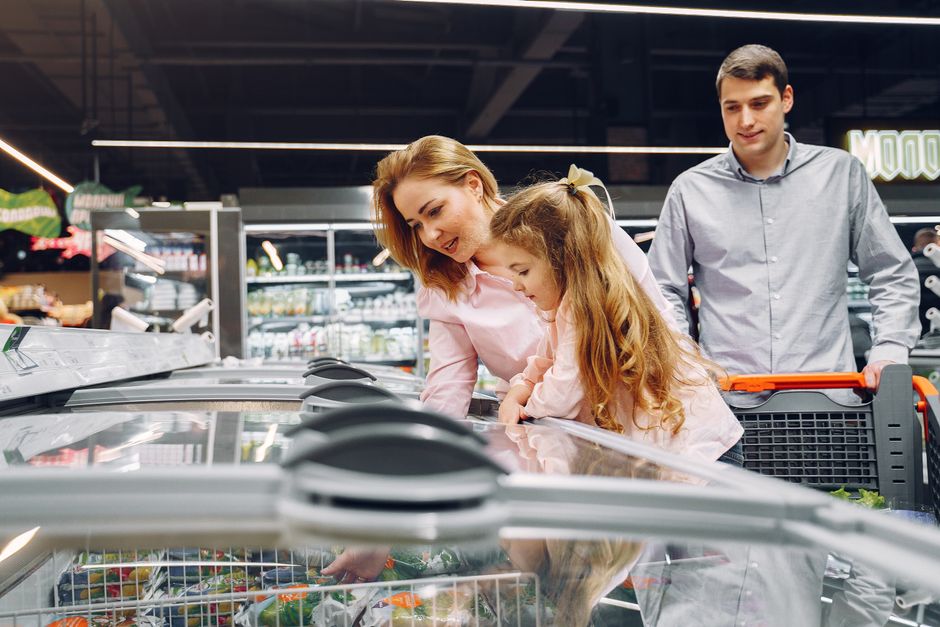
Ontdek compacte mini vriescel oplossingen voor horeca. Optimaliseer je ruimte met efficiënte opslag voor diepgevroren producten.

Ontdek handige tips voor het kiezen van een zwevend tv meubel dat perfect past in jouw woonkamer. Modern, stijlvol en ruimtebesparend!

Of je nu je woonkamer helemaal opnieuw wilt stofferen, een oude bank een tweede leven wilt geven of gordijnen op maat wilt laten maken, het inschakelen van een goede stoffeerder kan een wereld van verschil maken. Stofferen is een vak; het gaat niet alleen om stof op een meubel plakken, maar om kwaliteit, afwerking en maatwerk dat jarenlang mee moet gaan. Maar hoe vind je nu iemand die dit vak goed verstaat én eerlijk geprijsd werk levert? In dit artikel loop ik je langs de belangrijkste dingen om op te letten bij het kiezen van een stoffeerder — van offertes vergelijken tot stofkeuze, kwaliteit en garantie. Wat doet een stoffeerder eigenlijk? Een stoffeerder doet veel meer dan alleen vloeren bekleden. Denk aan: Op maat maken van gordijnen, raambekleding en vitrages Bekleden van meubels, banken en kussens Trapbekleding en andere interieuraccenten Advies over stofsoorten, patronen en onderhoud Goede stoffeerders combineren esthetiek met techniek — wat betekent dat het resultaat praktisch in gebruik is én mooi blijft. Offertes vergelijken: prijs ≠ kwaliteit Wanneer je offertes aanvraagt, krijg je vaak verschillende totaalprijzen. Maar een lage prijs zegt nog niet alles; het gaat om wat er precies in zit. Vergelijk offertes op zaken als: welke werkzaamheden inbegrepen zijn (incl. afwerking en afvoer) welk materiaal en type stof wordt voorgesteld hoeveel tijd de klus ongeveer duurt eventuele extra kosten voor maatwerk of meerwerk Zo krijg je een eerlijker beeld van wat je echt betaalt. Wil je vooraf een idee krijgen van wat je kunt verwachten qua kosten voor diverse stoffeerwerkzaamheden? Een goed startpunt is overzicht van stoffeerderkosten en richtprijzen — die helpen je een realistische inschatting te maken voordat je offertes aanvraagt. Ervaring telt Een stoffeerder met jaren werkervaring herkent sneller wat nodig is voor een strakke, duurzame afwerking. Let daarom op: een portfolio of foto’s van eerder werk klantbeoordelingen of reviews concrete referenties uit jouw regio Iemand die kan laten zien dat hij of zij vergelijkbare projecten heeft afgerond, geeft meer vertrouwen dat het eindresultaat klopt. Stoffen kiezen: comfort én duurzaamheid Niet alle stoffen zijn gelijk — en de juiste stof maakt een groot verschil in duurzaamheid en gevoel. Vraag je stoffeerder om advies bij: slijtvastheid (belangrijk bij vloeren en meubels) onderhoudsgemak (afneembaar, wasbaar, vlekbestendig) kleurvastheid bij zonlicht Een ervaring stoffeerder helpt je om een stof te kiezen die past bij jouw situatie, leefstijl én budget. Zelf doen of laten doen? Sommige klussen lijken eenvoudig, maar bij maatwerk en ingewikkelde rondingen of hoeken komt meer techniek kijken dan je misschien denkt. Het zelf proberen kan soms kosten besparen, maar kan ook leiden tot slordige afwerking — wat je later duur kan komen te staan. Voor maatwerk en complexere opdrachten loont het daarom meestal om een vakman in te schakelen. Planning en communicatie Goed plannen en heldere afspraken zorgen voor een soepel traject. Bespreek vooraf: de start- en einddatum van de klus hoe je bereikbaar bent tijdens de werkzaamheden wat je kunt verwachten qua nazorg of garantie Goede communicatie voorkomt verrassingen en geeft je rust gedurende het project. Garantie en nazorg Een betrouwbare stoffeerder biedt garantie op zijn werk. Vraag van tevoren: wat er onder garantie valt hoe lang de garantie geldt hoe eventuele problemen achteraf opgelost worden Zo weet je dat je niet met onverwachte tekortkomingen blijft zitten. Kwaliteit voorop Budget is belangrijk, maar kwaliteit komt op de lange termijn veel meer terug — in comfort, duurzaamheid en waardering van je interieur. Door offertes slim te vergelijken, ervaring mee te wegen en samen te werken met een professional die meedenkt, zorg je ervoor dat je investering blijft renderen.
Veel reizigers kennen de grote steden en toeristische trekpleisters, maar juist de kleinere dorpen en stadjes hebben een unieke charme die vaak nog onontdekt blijft. Driel, gelegen aan de rivier de Maas, is zo’n plek waar historie, natuur en lokale gezelligheid samenkomen. Het is geen bestemming die je zomaar op elke travel-poster ziet staan — maar wie er eenmaal geweest is, voelt zich snel verbonden met de rust, de verhalen en de omgeving. In dit artikel neem ik je mee door wat Driel zo bijzonder maakt en waarom een bezoek de moeite waard is — of je nu een dagtrip plant of op zoek bent naar nieuwe inspiratie in eigen land. Een rijke geschiedenis naast de rivier Driel heeft een lange geschiedenis die teruggaat tot de middeleeuwen. Door zijn ligging aan de Maas was het dorp van oudsher een ontmoetingsplek voor handelaren, schippers en boeren. Die rijke achtergrond is nog steeds terug te vinden in straatnamen, oude panden en lokale tradities. Wandelen door het dorp voelt een beetje alsof je een stap terug in de tijd zet — maar dan met de comfort van een hedendaagse, gastvrije gemeenschap. Voor wie meer wil leren over wat er allemaal te zien en te doen is, biedt lokale tips en routes om Driel te verkennen een overzicht van hoogtepunten en verborgen plekjes die je anders misschien mist. Natuur en water — de Maas als middelpunt De Maas is niet alleen een geografisch kenmerk van Driel — het is de levensader van de omgeving. Langs de rivier liggen wandel- en fietspaden die zowel recreatieve dagjesmensen als meer ervaren natuurliefhebbers trekken. De wisselende seizoenen geven het landschap steeds een ander gezicht: van groene oevers in het voorjaar tot warme herfsttinten en spiegelend water in de winterzon. Je kunt er ontspannen picknicken, vogels kijken of gewoon genieten van de rust die het water uitstraalt. Voor veel bezoekers is dát — de combinatie van open lucht en natuurschoon — wat Driel zo aantrekkelijk maakt. Sfeer en lokale ontmoetingen Wat een bezoek aan Driel extra waarde geeft, zijn de mensen en de sfeer. Het dorp heeft gezellige cafés, lokale winkeltjes en markten waar je rechtstreeks in contact komt met bewoners. In de zomer zijn er vaak lokale evenementen, muziekoptredens of gezellige marktdagen waar ambacht en gemeenschap centraal staan. Het sociale karakter van Driel maakt het niet alleen een leuke bestemming voor toeristen, maar ook een plek waar uitstapjes betekenis krijgen doordat je echt in contact komt met de omgeving en haar verhalen. Kunst, cultuur en erfgoed Driel heeft meer te bieden dan alleen natuur en gezelligheid. Verschillende culturele initiatieven, exposities en historische locaties vertellen het verhaal van de regio. Denk aan kleine galerieën, lokale musea en kunstprojecten die de verbondenheid tussen dorpsleven en creativiteit laten zien. Dit maakt de bestemming interessant voor mensen die graag combineren: historie én hedendaagse cultuur. Comfortabel verblijf en routes Driel beschikt over een aantal fijne overnachtingsplekken, van kleinschalige bed-and-breakfasts tot rustige campings aan de rand van het dorp. Doordat het niet overweldigend groot is, kun je gemakkelijk alles te voet of met de fiets bereiken. Combineer je bezoek met een tocht langs de Maas, volg een lokale wandelroute of sluit de dag af met een diner in een dorpscafé — zonder stress, zonder haast. Waarom Driel de moeite waard is Misschien is Driel geen plek waar je per se ooit van hebt gehoord, maar juist dát maakt het bezoek zo aangenaam. Geen drukte van toeristische massa’s, maar een authentieke, ongedwongen sfeer. Een mix van natuur, cultuur en gemeenschapsgevoel waar je de dagelijkse routine even volledig kunt loslaten. Of je nu houdt van langzaam wandelen langs water, verrassende lokale verhalen of gewoon bent toe aan een ontspannen dagje uit: Driel heeft voor ieder wat wils. Neem de tijd om het dorp écht te leren kennen — je zult merken dat je vaker terug wilt komen dan je dacht.
In een tijd waarin wereldnieuws gemakkelijk overal binnenkomt, vergeten we soms hoe relevant nieuws uit de eigen omgeving is. Wat er gebeurt in jouw buurt, straat of gemeente heeft directe invloed op je dagelijks leven — denk aan verkeer, evenementen, gemeentelijke besluiten of initiatieven van buurtbewoners. Lokaal nieuws koppelt die gebeurtenissen aan de mensen die er écht mee te maken hebben en geeft context die landelijke media vaak missen. In dit artikel ontdek je waarom lokaal nieuws belangrijk blijft, hoe het je leven kan verrijken en hoe je slim op de hoogte blijft van wat er écht speelt in en rond jouw woonplaats. Wat maakt lokaal nieuws anders? Lokaal nieuws richt zich op een specifieke plek en de mensen daar. Terwijl landelijke media zich bezig houden met nationale politiek, wereldgebeurtenissen of brede trends, zoomt lokaal nieuws in op wat direct relevant is voor jouw leefomgeving. Denk hierbij aan: wijzigingen in verkeerssituaties of parkeerregels, gemeentelijke bekendmakingen en besluiten, evenementen, markten en buurtinitiatieven, lokale sport en cultuur. Het doel is hetzelfde als bij landelijk nieuws — informeren — maar dan met een focus die raakt wat dichtbij is.Wil je deze informatie gericht volgen en geen relevante ontwikkeling missen, dan kun je terecht bij dagelijkse updates uit de regio — overzichtelijk en gericht op wat er speelt rond Sappemeer. Praktische informatie voor dagelijks leven Waterschap en infrastructuur, gemeenteraadsvergaderingen, wijzigingen in afvalinzameling: dit zijn geen nieuwsitems die je op nationale nieuwssites dagelijks tegenkomt, maar ze hebben wél impact op je dagelijkse routine. Lokaal nieuws verzamelt deze informatie, zodat je niet toevallig via-via hoort wat er verandert, maar het direct kunt meenemen in je planning. Voor mensen die willen weten wat er recent is aangekondigd in hun omgeving, inclusief gemeentelijke besluiten of bekendmakingen, biedt een lokaal nieuwsplatform vaak een heldere en overzichtelijke bron. Lokale initiatieven en verhalen Naast de feitelijke gebeurtenissen biedt lokaal nieuws ook een podium voor verhalen van bewoners, ondernemers en vrijwilligers. Denk aan: een nieuwe ondernemer die zijn deuren opent in de Dorpsstraat, scholieren die een goed doel steunen, buurtprojecten voor duurzaamheid of saamhorigheid. Deze verhalen maken een gemeenschap levendig en laten zien dat nieuws niet alleen gaat over wat moet, maar ook over wat leeft. Ze verbinden mensen en stimuleren betrokkenheid bij wat er in de buurt gebeurt. Informatie die je vooruit helpt Lokaal nieuws is niet alleen voor ‘nieuwsgierige buurtgenoten’. Het biedt ook praktische handvatten, zoals: inzicht in plannen van de gemeente, updates over huisvesting, vergunningen of verkeerssituaties, tips voor lokale diensten en voorzieningen. Als je actief bent in een buurtvereniging of betrokken bent bij evenementen of burgersamenwerking, is het volgen van lokaal nieuws een manier om beter geïnformeerd en daadkrachtiger te zijn. Actief meedoen aan het verhaal Wat lokaal nieuws extra waardevol maakt, is dat bewoners zelf kunnen bijdragen. Foto’s sturen van een gebeurtenis, tips of ideeën delen voor wat er moet gebeuren — lokaal nieuws is daardoor geenrichtingsverkeer, maar een dialoog. Dit maakt het platform interactief en relevant voor iedereen die zijn of haar buurt beter wil begrijpen én versterken. Nieuws dat dichtbij raakt Lokaal nieuws is geen luxe, maar een bron van informatie die je helpt je dagelijkse leven beter te plannen, betrokken te zijn bij je omgeving en in contact te komen met wat er leeft op straatniveau. Het maakt grote thema’s persoonlijk, en kleine gebeurtenissen betekenisvol.
In de huidige economie verandert alles razendsnel: nieuwe technologieën, veranderende klantverwachtingen, economische schommelingen én andere vormen van concurrentie kunnen jouw onderneming binnen een paar maanden wezenlijk anders laten draaien dan een jaar geleden. Voor professionals en ondernemers is het daarom niet voldoende om alleen goed te werken — je moet ook blijven leren, aanpassen en vooruitkijken. In dit artikel ontdek je hoe je op een slimme manier ontwikkelingen volgt, trends benut en beslissingen neemt die je bedrijf sterker maken — zonder dat je elke dag overweldigd raakt door informatie. Volg wat relevant is — niet wat overal staat Niet alle zakelijke informatie is voor jou even belangrijk. Terwijl sommige trends jouw markt volledig kunnen veranderen, is andere ruis die weinig impact heeft op je dagelijkse praktijk. De kunst is leren onderscheid te maken tussen: Wat vandaag je bedrijf beïnvloedt Wat op lange termijn effect heeft Wat vooral hype is zonder echte impact Een goede manier om dit onderscheid te maken is door te kijken naar bronnen die gericht zijn op praktische ontwikkelingen en toepassingen — zoals zakelijke updates en marktinzichten — zodat je snel inzicht krijgt zonder uren te hoeven lezen. Klantbehoeften verschuiven voortdurend Wie denkt dat de klant van gestern nog dezelfde verwachtingen heeft als vandaag, loopt vroeg of laat achter de feiten aan. Denk aan: vragen om snellere service of levering voorkeur voor digitale contactkanalen hogere eisen aan duurzaamheid en transparantie vraag naar waarde in plaats van alleen lagere prijzen Door continu klantfeedback te verzamelen en te analyseren, kun je niet alleen problemen signaleren, maar ook kansen ontdekken — en daarop anticiperen. Innovatie is geen luxe, maar een noodzaak Innoveren betekent niet altijd dat je een nieuw product moet uitvinden. Het kan ook gaan om: efficiëntere werkprocessen nieuwe samenwerkingen betere inzet van technologie verbeterde klantenservice Door je werkprocessen regelmatig te evalueren en te vragen ‘Waarom doen we dit op deze manier?’, open je de deur naar efficiëntie, kostenbesparing en meer flexibiliteit. Informatie managen zonder overweldigd te raken Informatie is overal — nieuwsbrieven, social media, vakblogs, rapporten en congressen. De valkuil is dat je alles wilt bijhouden. Werktips om overzicht te houden: ** kies vaste momenten per week om trends te volgen ** gebruik bronnen die samenvattingen geven ** markeer wat direct relevant is voor je doelen ** deel inzichten binnen je team Op die manier maak je informatie bruikbaar, in plaats van het gevoel te hebben dat je steeds achterloopt. Technologie en automatisering helpen je vooruit Van CRM-systemen tot workflow-automatisering: technologie kan je helpen sneller te reageren, fouten te verminderen en tijd te besparen. Maar het loont om bewust te kiezen wat je implementeert. Ga niet voor de meest hippe software, maar voor systemen die: aansluiten bij je processen schaalbaar zijn met je groei je werk écht gemakkelijker maken Dit soort keuzes versterken je concurrentiekracht zonder dat het een dure IT-upgrade hoeft te zijn. Netwerken en kennisdeling Je zakelijke netwerk is niet alleen een verzameling visitekaartjes, maar een bron van informatie, samenwerking en inspiratie. Door actief deel te nemen aan kennissessies, branche-events en online communities vergroot je niet alleen je voordelen, maar zie je ook sneller wat er speelt binnen je markt. Bovendien kun je ervaringen uitwisselen over wat wel en niet werkt — echte praktijkinzichten dus. Focus op wat je kunt beïnvloeden De meeste veranderingen kun je niet stoppen, maar je kunt wel bepalen hoe je erop reageert. Focus daarom je energie op wat je kunt beïnvloeden: processen die je kunt verbeteren klanten die je kunt helpen vaardigheden die je kunt ontwikkelen beslissingen die je vandaag al kunt nemen Door stap voor stap te verbeteren, ontwikkel je een bedrijf dat niet alleen reageert op veranderingen, maar er zelfs effectiever op inspeelt. Leren, aanpassen en groeien Zakelijk succes is geen statisch concept; het is een proces van continu observeren, leren en bijsturen. Door gericht informatie te selecteren, klantbehoeften te begrijpen en technologie effectief in te zetten, geef je je onderneming de tools die nodig zijn om niet alleen te overleven, maar te bloeien.
Een goed stoffeerder kan jouw huis of werkruimte een compleet nieuwe uitstraling geven — van vloerbedekking tot gordijnen en van bekleding tot maatwerktextiel. Maar hoe weet je nu of je een vakman kiest die kwaliteit levert én een eerlijke prijs rekent? Het kiezen van een stoffeerder is meer dan alleen kijken naar de laagste offerte: het gaat om vakmanschap, uitstraling, comfort en duurzaamheid. In dit artikel doorlopen we praktische tips voor het kiezen van een stoffeerder, waar je op moet letten bij offertes én hoe je voorkomt dat je betaalt voor diensten die je eigenlijk niet nodig hebt. Stofferen: meer dan alleen een nieuwe vloer Veel mensen denken bij stofferen alleen aan het leggen van vloerbedekking, maar een goede stoffeerder doet veel meer. Denk aan: bekleden van trappen en banken op maat gemaakte gordijnen en raambekleding herstofferen van bestaande meubels advies over stofsoorten, kleur en onderhoud Een vakman kan je daarbij helpen om technisch goede keuzes te combineren met esthetiek — zo creëer je een interieur dat écht werkt met jouw leefstijl. Offertes vergelijken — ga verder dan de prijs Een veelgemaakte fout is om offertes alleen op basis van de totaalprijs te vergelijken. De prijs kan laag lijken, maar wat zit er exact in? Kijk bij elke offerte kritisch naar: werkzaamheden die inbegrepen zijn (bijv. verwijderen oude bekleding, stofkeuze, afwerking) materiaalsoorten en merken stoffen uren en montagekosten garantie of nazorg Door offertes op deze punten naast elkaar te leggen, krijg je een eerlijk beeld van wat je daadwerkelijk betaalt — en voorkom je verrassingen achteraf. Een overzicht van wat je kwijt kunt zijn aan verschillende soorten stoffeerwerk vind je ook via duidelijk overzicht van stoffeerder kosten — handig als je je budget wilt inschatten voordat je offertes aanvraagt. Ervaring en expertise tellen Een stoffeerder met jaren ervaring weet niet alleen hoe je netjes werkt, maar kan ook adviseren over wat praktisch en stijlvol is voor jouw ruimte. Let bij je keuze op: portfolio of foto’s van eerdere projecten reviews of aanbevelingen van klanten kennis over verschillende stoffen en technieken Iemand die actief meedenkt over kleur, structuur en onderhoud kan een groot verschil maken in het eindresultaat — een laag prijskaartje wil niet altijd zeggen dat je de beste kwaliteit krijgt. Stoffen kiezen: wat past bij jouw situatie? De keuze van stof bepaalt niet alleen hoe iets eruitziet, maar ook hoe het voelt, hoe lang het meegaat en hoe het onderhoud is. Enkele aandachtspunten: gebruik: een druk belopen ruimte vraagt een andere stof dan een slaapkamer onderhoud: sommige stoffen zijn makkelijk schoon te houden, andere vragen zorgvuldiger onderhoud stijl: dikkere stoffen geven een andere sfeer dan lichtere, transparante materialen Een stoffeerder die hier goed in adviseert kan je helpen om keuzes te maken die je leefruimte mooier én praktischer maken. Zelf doen of laten doen? Sommige mensen overwegen doe-het-zelf-opties om kosten te besparen. Zeker eenvoudige klussen zijn soms zelf te doen — maar bij maatwerk, trappen, meubels of technische afwerkingen levert professionele hulp vaak een veel netter en duurzamer resultaat. Een verkeerde montage kan bijvoorbeeld leiden tot loszittende randen, kreukels of slijtplekken op de verkeerde plaatsen — wat je uiteindelijk meer kan kosten. Planning en communicatie Goede communicatie voorkomt misverstanden. Vraag bij je offerteaanvraag duidelijk: wat de planning is hoe lang het werk duurt of er voorbereidende werkzaamheden nodig zijn hoe jij betrokken bent bij het kiezen van stoffen Duidelijke afspraken over bereikbaarheid, levertijden en nazorg schelen je veel stress tijdens het proces. Garantie en nazorg Een betrouwbare stoffeerder geeft garantie op z’n werk en staat open voor vragen achteraf. Vraag daarom altijd: hoe lang de garantie geldt wat er onder garantie valt hoe eventuele aanpassingen geregeld worden Zo weet je zeker dat je niet met onverwachte problemen blijft zitten. Slim kiezen loont Het kiezen van een goede stoffeerder gaat verder dan alleen de prijs vergelijken. Door te letten op expertise, materialen, service en heldere afspraken maak je een bewuste keuze die je woonruimte mooier, comfortabeler en duurzamer maakt. Neem de tijd om offertes goed te vergelijken, stel vragen en laat je adviseren — dat betaalt zich terug in kwaliteit én woonplezier.
Isolatieglas — vaak gewoon dubbelglas genoemd — is één van de meest rendabele verbeteringen die je aan een woning kunt laten uitvoeren. Het verhoogt het wooncomfort, vermindert warmteverlies en kan je energierekening flink omlaag brengen. Toch is het niet altijd duidelijk welke keuzes je moet maken om écht kosten te besparen én optimaal rendement te halen. In dit artikel help ik je stap voor stap begrijpen wat isolatieglas doet, welke opties er zijn en hoe je voorkomt dat je te veel betaalt voor iets dat eigenlijk weinig toevoegt. Waarom isolatieglas steeds relevanter wordt De afgelopen jaren zijn energiekosten gestegen en isolatienormen aangescherpt. Een huis met enkel glas verliest veel warmte via de ramen — tot wel 20–30 % van de totale warmte. Door dubbelglas te plaatsen wordt dat verlies aanzienlijk verminderd, wat niet alleen je energierekening verlaagt, maar ook comfort en leefklimaat verbetert. Warme radiatoren, koude randen bij ramen en tocht rond kozijnen worden hierdoor geminimaliseerd. Verschillende typen isolatieglas Niet al het dubbele glas werkt even goed — er zijn varianten met verschillende prestaties: Standaard dubbelglas – twee glaslagen met lucht ertussen (basisisolatie). HR++ glas – verbeterde isolatie dankzij een vulgas zoals argon en speciale coatings. Triple glas – drie glaslagen voor nog meer isolatie. Elk type heeft een andere prijs én een ander effect op je energierekening. Het is daarom belangrijk om scherp te kijken naar wat je echt nodig hebt en wat bij jouw woning past. Als je een indicatie wilt van wat isolatieglas kost en wat je terugkrijgt in besparing en comfort, biedt een duidelijk overzicht van isolatieglas kosten een goed startpunt — met voorbeelden van verschillende systemen én hoe prijzen kunnen variëren. Kostenfactoren die je moet kennen De uiteindelijke prijs voor isolatieglas hangt af van meerdere factoren: Grootte en aantal ramen: grotere oppervlakken zijn duurder, maar leveren ook meer isolatievoordeel. Type glas: triple glas is duurder dan HR++ glas, maar presteert beter. Montage: professioneel plaatsen kost meer dan zelf doen, maar voorkomt foutieve montage en tochtproblemen. Kozijnsoort en staat: oudere kozijnen kunnen extra werk vereisen voordat het glas geplaatst kan worden. Bedenk dat goedkoop niet altijd het goedkoopst is — een lage aanschafprijs kan later leiden tot hogere energiekosten of extra herstelwerk. Zelf plaatsen of laten monteren? Veel mensen vragen zich af of ze isolatieglas zelf kunnen monteren. Doe-het-zelf-sets zijn steeds beter beschikbaar, maar ze passen lang niet altijd goed en vereisen vaak precisie om tocht, vochtinsluiting of scheve plaatsing te voorkomen. Professionele montage kost meer, maar geeft garantie op een correcte plaatsing en vaak betere isolatiewaarden. Bij oudere huizen of bijzondere raamformaten is professionele plaatsing meestal verstandiger — de investering betaalt zich vaak terug in comfort en duurzaam rendement. Subsidies en terugverdientijd In sommige regio’s zijn subsidies of financieringsregelingen beschikbaar voor isolatieverbeteringen, inclusief HR++ of triple glas. Dit kan de investering aanzienlijk verlagen. Daarnaast levert isolatieglas besparing op de energierekening op — vaak terug te verdienen binnen enkele jaren. Door deze twee samen te nemen, wordt de investering een stuk aantrekkelijker. Onderhoud en levensduur Isolatieglas gaat lang mee — twintig jaar of meer — zonder dat je er veel omkijken naar hebt. Wel is het verstandig om de afdichting en kozijnnaden regelmatig te controleren op slijtage, zodat vochtinsluiting en tocht worden voorkomen. Goede kwaliteit en correcte montage minimaliseren deze risico’s. Praktische keuze – wat past bij jou? Isolatieglas is geen one-size-fits-all product. Het juiste glas hangt af van je woonsituatie, budget en doelstellingen: wil je vooral comfort en lagere stookkosten? woon je in een monumentale woning waar esthetiek een rol speelt? heb je plannen voor nog bredere energiebesparende maatregelen? Door deze vragen te combineren met een kostenvergelijking en realistische verwachtingen, maak je een slimme, waardevast keuze. Investering met rendement Isolatieglas doet meer dan ramen vervangen — het transformeert je wooncomfort en verlaagt structureel energieverlies. Door goed te vergelijken, de juiste keuzes te maken en prijs én prestatie tegen elkaar af te wegen, maak je van isolatieglas een investering die zichzelf terugbetaalt.
Veel mensen brengen een groot deel van hun leven door op hun werk — of dat nu op kantoor, op de productievloer, in een winkel of vanuit huis is. Dat betekent dat de kwaliteit van je werkervaring niet alleen bepaalt wat je doet, maar ook hoe je je voelt en hoe je je toekomst vormgeeft. Werkplezier is meer dan een luxe; het is een belangrijke factor voor motivatie, ontwikkeling en zelfs gezondheid. In dit artikel ontdek je hoe je niet alleen beter kunt presteren op je werk, maar vooral ook meer voldoening uit je dagelijkse werkzaamheden haalt — zonder dat het grootse veranderingen hoeft te zijn. Werkplezier begint bij bewustwording Veel mensen ervaren een kloof tussen wat ze denken te willen in hun werk en wat ze echt doen. Die kloof ontstaat vaak door automatische routines en verwachtingen — denk aan de vaste werktijden, oude gewoontes of verkeerde aannames over wat succes betekent. Door je bewust te worden van wat je écht belangrijk vindt — autonomie, uitdaging, sociale verbondenheid — kun je werkplezier gerichter beïnvloeden. Een goed startpunt is het bekijken van praktische inzichten voor werkcultuur en ontwikkeling: bronnen die je helpen te analyseren wat op jouw werkvloer speelt, en hoe je daar actief op kunt inspelen zonder te wachten tot iemand anders het voor je oplost. Invloed uitoefenen op je dagelijkse taken Je werkdag bestaat uit een reeks taken — sommige leuker dan andere. Wat vaak helpt bij werkplezier is een element van eigenaarschap. Dat betekent niet dat je volledige controle hebt over alles wat je doet, maar wel dat je: begrijpt waarom een taak belangrijk is, ziet hoe jouw bijdrage bijdraagt aan een groter doel, autonomie ervaart in hoe je de taak uitvoert. Door deze drie componenten verhoog je niet alleen je productiviteit, maar ook je betrokkenheid. Communicatie die samenwerking versterkt Werk is zelden een solo-activiteit. De manier waarop je communiceert met collega’s, leidinggevenden en klanten heeft enorme impact op je werkdag. Heldere verwachtingen, open vragen en regelmatige feedback loops voorkomen misverstanden én versterken de samenwerking. Dit draagt bij aan een positieve sfeer en vermindert onnodige spanning — wat je werkervaring direct verbetert. Persoonlijke ontwikkeling als groeipad Veel werknemers voelen zich vastlopen wanneer er geen zicht is op groei. Persoonlijke ontwikkeling hoeft geen groot traject te zijn; het kan bestaan uit kleine, regelmatige stappen zoals: trainingen of workshops, nieuwe taken in je huidige rol, het leren van collega’s met andere expertise. Zo ontwikkel je niet alleen vaardigheden, maar toon je ook initiatief — iets wat werkgevers vaak waarderen en wat je eigen zelfvertrouwen versterkt. Cultuur van waardering Een van de minst besproken factoren van werkgeluk is waardering. Dit betekent niet alleen complimenten na een goede prestatie, maar ook het routineus erkennen van inzet, kleine successen en dagelijkse bijdragen. In teams waar waardering normaal is, voelt iedereen zich sneller gezien en gemotiveerder om bij te dragen aan gezamenlijke doelen. Balans tussen werk en leven Werkplezier staat of valt met balans. Geen enkel plezier op de werkvloer kan de impact van structurele overbelasting compenseren. Zorg voor grenzen: vaste werktijden, pauzes, aandacht voor gezondheid en tijd voor familie en hobby’s helpen je energie op peil te houden. Zo voorkom je dat werk alles wordt, terwijl het slechts één belangrijk onderdeel van je leven is. Werkgeluk is maakbaar Werkgeluk is geen mysterie; het is een combinatie van begrip van jezelf, samenwerking met anderen en het opnemen van regie over je rol en taken. Door bewuste keuzes te maken, samen met collega’s te bouwen aan een positieve cultuur, en open te staan voor groei, kun je van je werk meer maken dan een verplichting — je maakt er een plek van waar je graag bent en waar je met vertrouwen naar terugkeert.
Opvoeden is een van de meest betekenisvolle — én soms uitdagende — taken in het leven. Je wilt je kinderen beschermen, stimuleren, begeleiden én tegelijkertijd ruimte geven om zelf te ontdekken wie ze zijn. Dat vraagt meer dan instinct alleen; het vraagt reflectie, aandacht voor ontwikkeling én praktische strategieën die passen bij de realiteit van alledag. In dit artikel lees je hoe je je rol als opvoeder kunt benaderen met meer inzicht, empathie en concrete handvatten — zodat je kind zich veilig, competent en geliefd voelt. Veiligheid en vertrouwen zijn de basis Kinderen kunnen pas écht groeien wanneer ze zich veilig voelen — niet alleen fysiek, maar vooral emotioneel. Een kind dat weet dat het gezien en gehoord wordt, durft: te experimenteren, fouten te maken, uitdagingen aan te gaan. Je aandacht, aanwezigheid en luisterbereidheid geven dit vertrouwen vorm. Probeer actief te luisteren: niet alleen horen wat je kind zegt, maar echt proberen te begrijpen wat er achter die woorden zit. Structuur helpt ontwikkeling Routines zijn niet saai — ze geven houvast. Denk aan vaste momenten zoals: opstaan en slapen gaan, gezamenlijke maaltijden, tijd om samen te spelen of te lezen. Door regelmaat voelt een kind de dag beter aankomen en krijgt het ruimte om te ontspannen. Teveel onvoorspelbaarheid kan juist spanning veroorzaken; structuur daarentegen creëert rust. Spelenderwijs leren Kinderen leren door doen. Spel is niet alleen tijdverdrijf; het is een kernactiviteit waarin ze: problemen oplossen, hun verbeelding gebruiken, grenzen verkennen. Laat ruimte voor vrij spel — zonder teveel regulering — en bied uitdagende, uitnodigende materialen. Dit stimuleert zowel creativiteit als zelfvertrouwen. Grenzen met empathie Grenzen zijn nodig: ze geven duidelijkheid en veiligheid. Maar hoe je grenzen stelt, bepaalt het effect ervan. Leg uit waarom regels bestaan en geef mogelijkheden voor dialoog — ook als je duidelijk moet zijn over wat niet toegestaan is. Zo leert een kind niet alleen wat de grens is, maar ook hoe je daar op een respectvolle manier mee omgaat. Aandacht voor emoties Kinderen hebben emoties — groot en klein. Door hun emoties serieus te nemen, help je hen om die te begrijpen en te verluchten. Bijvoorbeeld door te zeggen: “Ik zie dat je verdrietig bent omdat je dat speelgoed moest delen” in plaats van meteen te corrigeren. Dit leert kinderen dat gevoelens erbij horen én dat ze erover kunnen praten. Voorbeeldgedrag spreekt het hardst Kinderen leren vooral door observatie. Wat jij doet wanneer je gefrustreerd bent, conflict ervaart of een fout maakt, beïnvloedt hoe jouw kind leert daarmee om te gaan. Je hoeft niet perfect te zijn — maar bewust gedrag modellen helpt enorm. Toon hoe je excuses maakt, hoe je kalm blijft bij spanning of hoe je focust op oplossingen in plaats van alleen op fouten. Praktische tips en inspiratie Opvoeden is leren — voor jou én voor je kind. Soms kan het helpen om ideeën op te doen of situaties te vergelijken met wat andere ouders ervaren. Voor praktische tips, voorbeeldsituaties en inspiratie op het gebied van opvoeding kun je eens kijken bij bruikbare opvoedtips en ideeën — bronnen die aansluiten bij de dagelijkse realiteit van gezinnen en die je handvatten geven voor alledaagse momenten. Reflecteren en groeien Het mooie aan opvoeden is dat het een proces is dat je samen met je kind doorloopt. Neem regelmatig een moment om stil te staan bij wat goed gaat en wat je eventueel anders wilt proberen. Kleine aanpassingen in je aanpak kunnen grote impact hebben op de ontwikkeling van je kind — én op de relatie die je met hem of haar opbouwt. Liefde + aandacht Opvoeden combineren met aandacht, structuur én begrip is geen simpele formule, maar het brengt je wel dichter bij wat je voor je kind wilt: een omgeving waarin het zich gezien, begrepen en gesteund voelt. Met liefde als kompas en concrete handvatten in de praktijk maak je van elke dag een kans om te groeien — samen met je kind.